Why translation is not enough
Translating an ad changes the words, not the relationship. Latino families live in both languages and both cultures, and they can tell quickly whether a brand understands them or is only checking a box.
That is why our work starts with listening and with voices the community already trusts, and only then moves to campaigns, content and events.
What the research says about trust
A study by the ANA’s AIMM, the Cultural Inclusion Accelerator and Nielsen found that representation and cultural relevance independently correlated with higher purchase intent, brand trust and brand affinity among Hispanic audiences, with a stronger effect when programming scored high on both. The study reported that culturally relevant programming contributed to a 44% increase in brand trust.
The cost of getting it wrong is also on record. A study published June 30, 2026 by the Latino Donor Collaborative and Kantar reports that Latinas who feel misrepresented by a brand have already stopped buying from it, and that nearly 8 in 10 say stereotypes persist in advertising and media. The study places the Latino consumer economy at $2.8 trillion, growing at double the pace of the non-Latino market.
Representation is not decoration. It is a reason to trust, or a reason to leave.
Authenticity and the next generation
LatiNation Media’s 2025 white paper on Hispanic Gen Z found that 67% expect authentic cultural reflection of who they are, and that 59% reward brands that acknowledge their heritage with loyalty and engagement. Only 29% place importance on Spanish-language ads. In other words, young Latinos are not asking for “more Spanish”; they are asking for brands that understand them.
Local businesses: the most trusted brands in the room
The most credible brands in a community are often the local ones: the restaurant, the bakery, the family business. Stanford’s State of Latino Entrepreneurship report found Latino-owned businesses grew 44% nationally from 2018 to 2023, and that 84% were profitable in 2024. For a large brand or an institution, partnering with and amplifying these businesses is one of the quickest ways to be seen as part of the community.
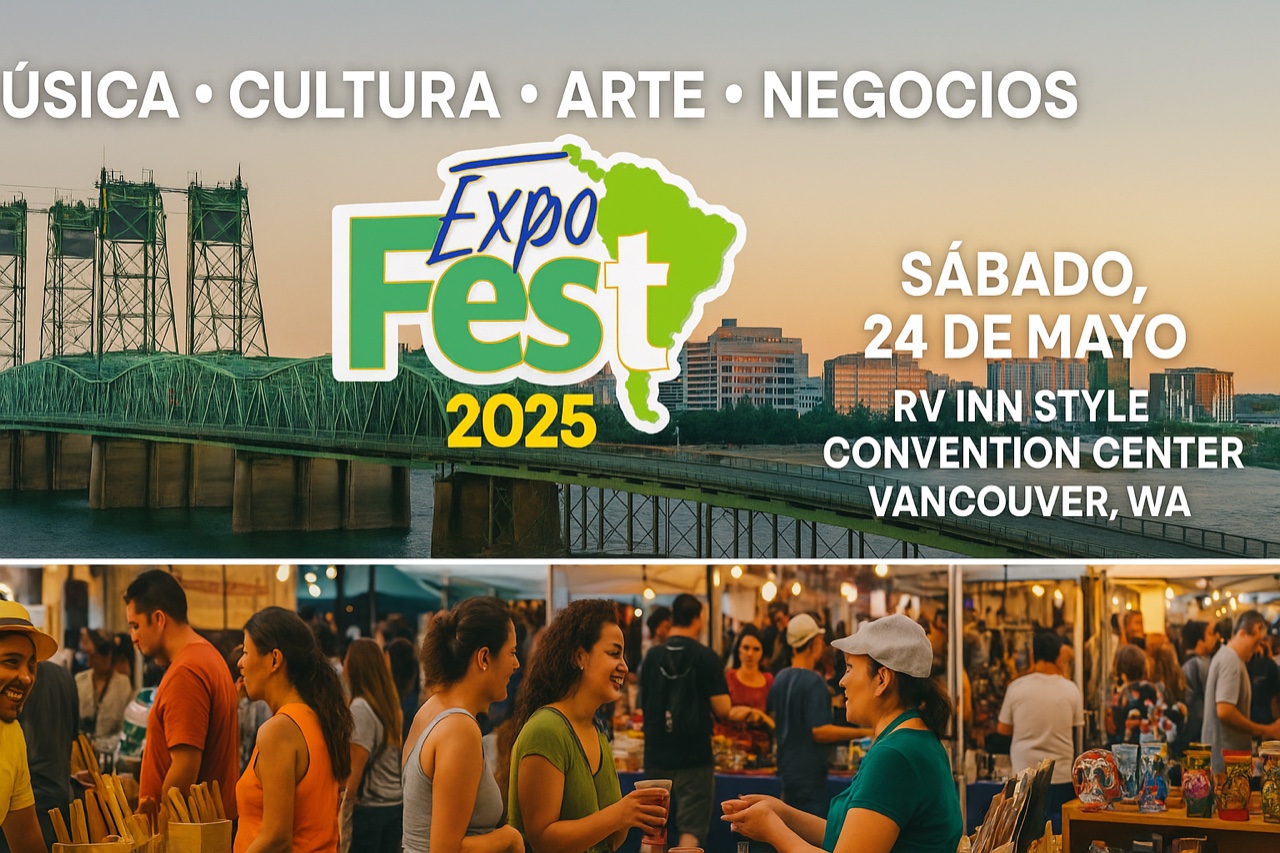
We have seen this in our own work with local businesses like Luna’s and Habaneros, whose stories we told through interviews, reels and documentaries, and through community events such as ExpoFest 2025, which drew about 1,000 in-person visits and more than 40 vendor businesses.
A practical playbook
- Start by listening: interviews, listening sessions and community forums before the campaign.
- Work with trusted messengers: local business owners, leaders and hosts the community already follows.
- Create in both languages from the start, with bilingual community members involved.
- Show up in person at fairs, bazaars and galas, not only online.
- Represent people fully, without stereotypes, and let them tell their own story.
- Agree on what you will measure, and report views as views, attendance as attendance and sign-ups as sign-ups.
If you are a brand, a health system or a city that wants to connect with Latino families in Oregon, we would be glad to talk.