Why the flyer did not work
Pew Research Center reports that the U.S. Latino population reached 68 million in 2024, about one in five people in the country. Latinos are not a niche audience. They are neighbors, patients, voters and parents who live in both languages and move between two cultures every day.
Reaching them is not a translation problem. It is a trust problem. A message that arrives through a voice a family already knows is heard differently from one that arrives from an official channel, even when the words are identical.
1. Start with trusted messengers
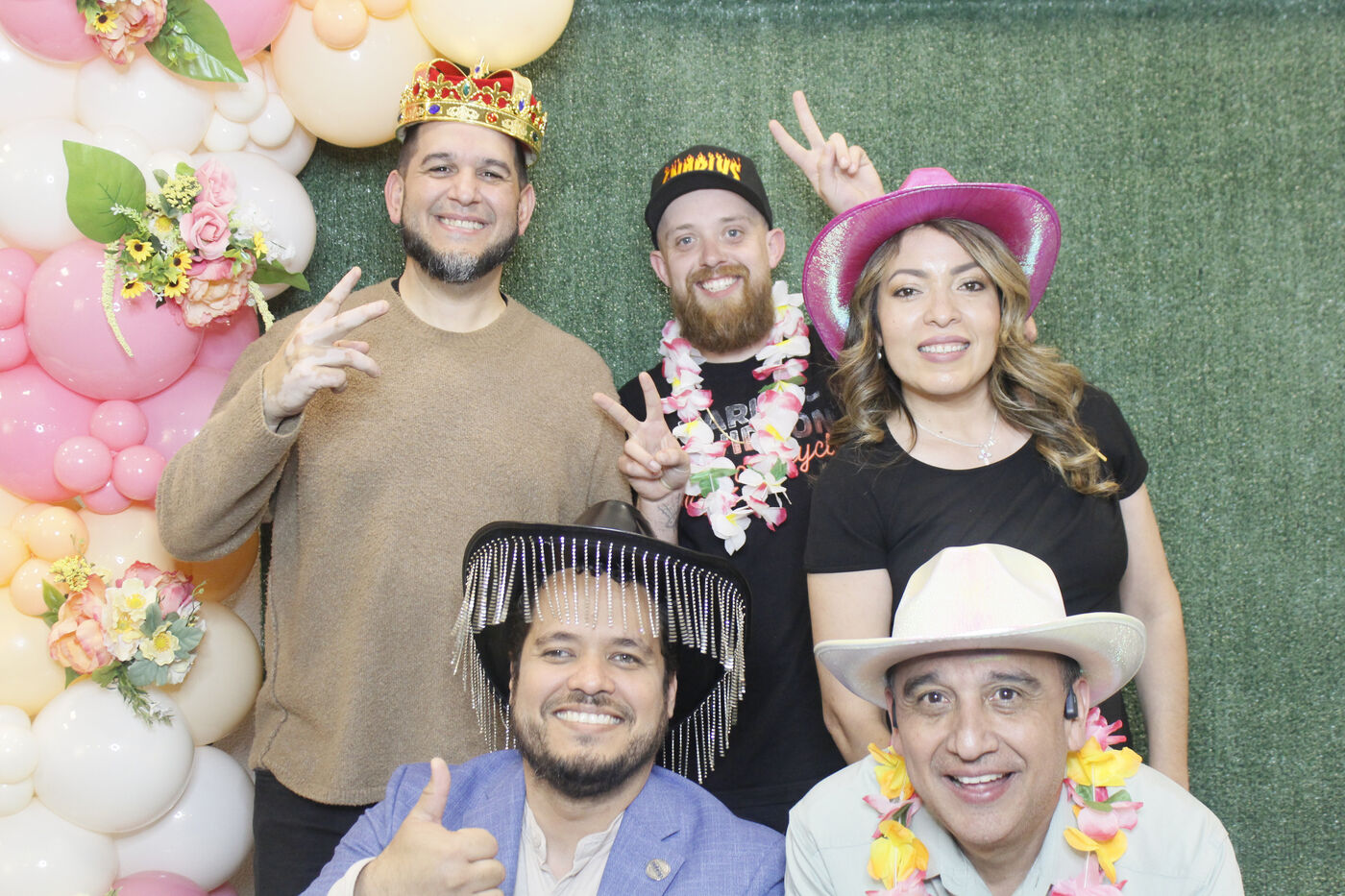
Families listen first to people they already know: local business owners, community leaders, familiar hosts. This is why we build campaigns around voices like the ones you hear on our podcast and in our interview with Jaime of M&M Marketplace, a founder whom many Hillsboro families already trust.
A trusted voice shortens the distance between an announcement and an action.
2. Make it bilingual from the start
Write and produce in Spanish and English together, with bilingual community members involved, instead of translating at the end. Tone matters as much as vocabulary. The message should sound like the community, not like a translation of an agency memo.
The stakes are real. A study published June 30, 2026 by the Latino Donor Collaborative and Kantar reports that nearly 8 in 10 Latinas say stereotypes persist in advertising and media, and that Latinas who feel misrepresented have already stopped buying from a brand. People notice when a message was not made for them. For more on this, read how brands can connect beyond translation.
3. Show up in person
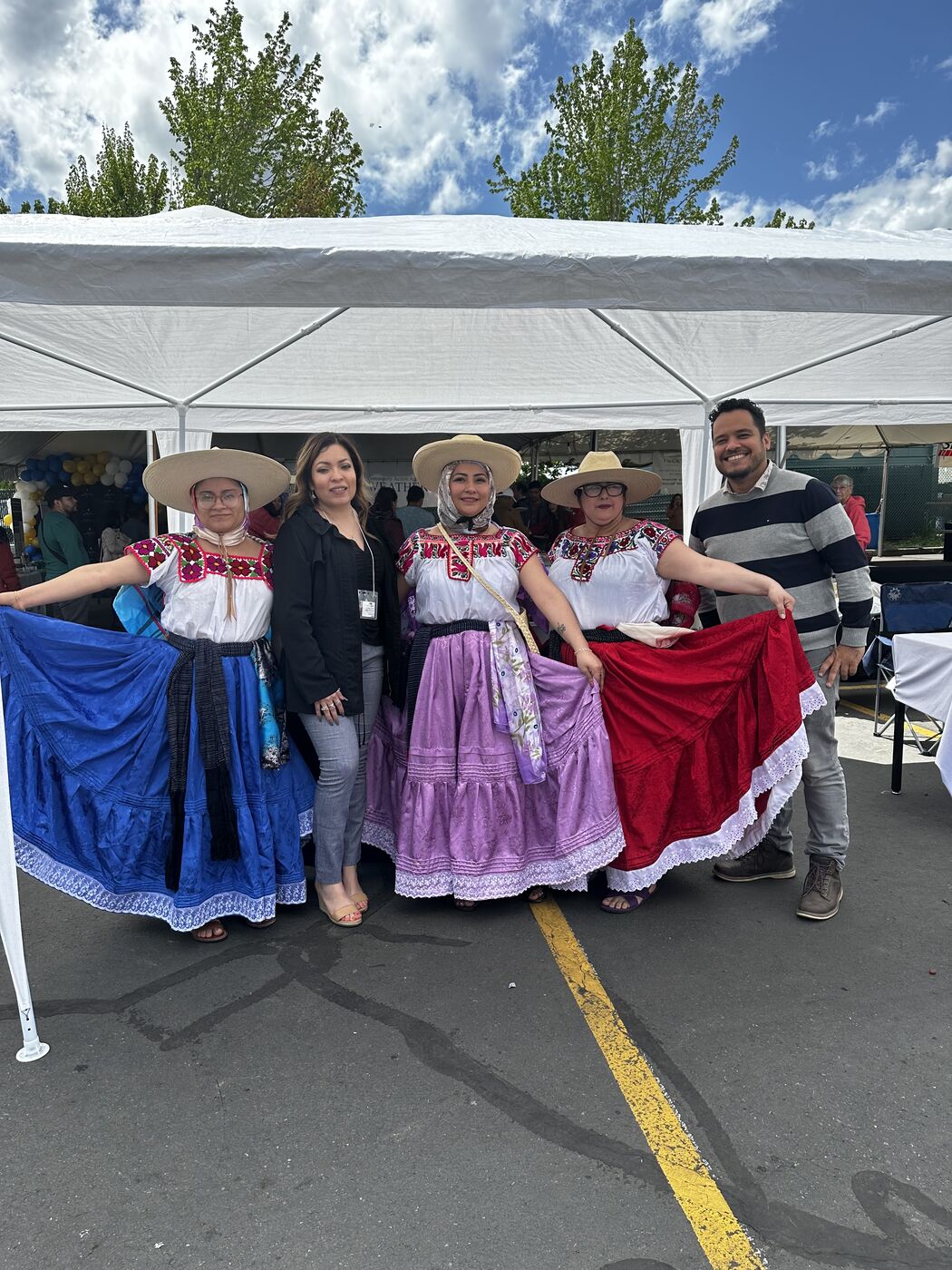
Fairs, bazaars, town halls and listening sessions put your team where families already gather, and they make two-way conversation possible. Oregon’s Latino population has been growing steadily, according to the Oregon Office of Economic Analysis, which means more families and more places where they meet.
Events like ExpoFest 2025, which drew about 1,000 in-person visits and more than 40 vendor businesses, show what happens when a gathering is designed around the community instead of around the agency. Read the ExpoFest recap.
4. Listen, then share
Engagement runs in both directions. Build in listening sessions and forums so your program learns what residents need, not only what your organization wants to announce. Then show people what you heard and what changed because of it. Nothing builds trust faster than a visible response.
5. Report what really happened
Agree on goals at the start and report views as views, attendance as attendance and sign-ups as sign-ups. Honest numbers are more useful in grant and community-benefit reports than inflated ones, and they protect your credibility with the community. We apply the same rule to ourselves: here is how we read our own 23.3 million views.
A checklist for your next campaign
- Who is the trusted messenger, and have they agreed to be involved?
- Was the message written bilingually from the start by bilingual community members?
- Where will your team be in person, and when?
- How will you listen, and how will you show what you heard?
- What will you measure, and how will you describe it honestly?
If you can answer those five questions, you are already ahead of most campaigns. If you want help answering them, we would be glad to talk.