From the food bank line
The episode, recorded in Gresham, Oregon, traces Ricky Ruiz’s path from childhood visits to a food bank with his immigrant parents to his seat in the Legislature. It is a story about how much a family can carry, and how much a community can give back.
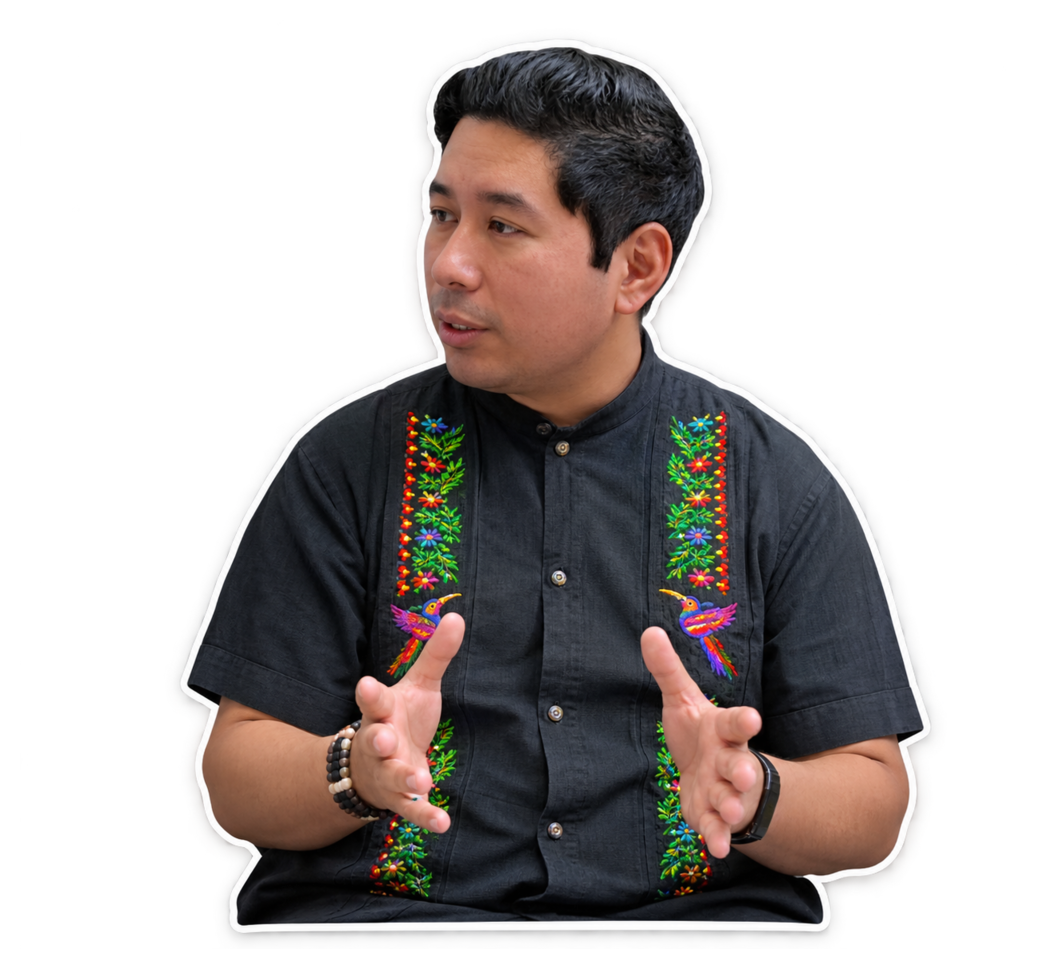
Breaking a generational cycle
He talks about breaking generational cycles of poverty, and about the value of mentors who showed him what was possible. If you want to see how community organizations still help families in practice, read about Centro Mercado, a food pantry that works like a grocery store, in our article on how Latinos help each other.
From a food bank line to the Legislature: a story about what a community can build.
Soccer, discipline and the weight of representing
He explains how soccer gave him discipline and focus, and describes the emotional weight of representing Oregon’s Latino community. The conversation also covers immigration and identity, mentorship, the power of community and what it truly means to serve.
What public service asks
- Immigration and identity.
- Breaking cycles of poverty.
- Representation and leadership.
- The power of community and mentorship.
- What it truly means to serve.
How institutions can build more leaders
These are our takeaways. Leaders do not appear from nowhere. Programs that pair young people with mentors, pay for their time and listen to their ideas make a difference. Cities, schools and health systems can invite youth to speak, not just to attend. For ideas on bringing community voices into your work, read our guide to reaching Latino residents.
The episode was directed, produced and edited by Aquí Entre Nos Media, with Eli Studio on cameras and visuals. Hosts: Héctor and Xiomara.