The question behind the episode
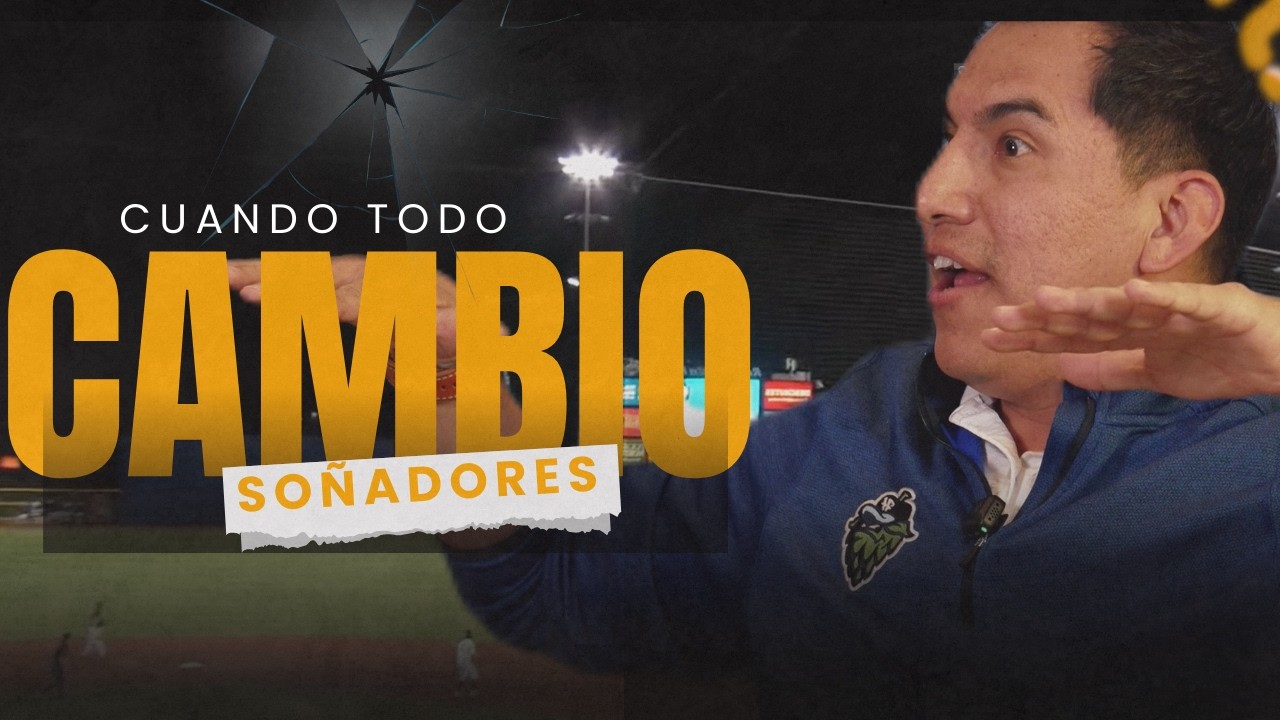
The episode is called Silence has a cost, with the subtitle 26 Years Waiting for Something to Happen: Venezuela and the Cost of Silence. Hosts Ernesto Herrera, Xiomara Mérida and Héctor Mendoza talk about how fear and silence can allow abuses of power to continue, and how real families and communities carry the consequences.
What we explore
- Personal responsibility: what each of us owes our community.
- Misinformation: how it spreads when people are afraid.
- The point where staying silent can become a form of complicity.
- The human, civic and accountability themes the episode is tagged with.
Why we ask instead of tell
The notes are clear that the episode is presented as a question for viewers, not as a list of conclusions about what to think. That is deliberate. People tend to trust a space that lets them reason for themselves, and our community has had plenty of spaces that tell them what to conclude.
We are not here to tell you what to think. We are here so you do not have to think alone.
What organizations can learn
This is our reading, not the episode’s. For cities, health systems and community groups, the lesson is practical: families go quiet when they are afraid, and misinformation fills the silence. A trusted local, bilingual voice can open the conversation before rumors do.
- Create a regular place to ask questions, not only a place to announce.
- Use voices the community already trusts, in the language families use at home.
- Separate facts from opinion, and say clearly which is which.
- Follow up. Silence returns when people feel unheard.
For more on how we build those spaces, read our guide to reaching Latino residents in Oregon and how Latinos support each other in hard times.